Overview
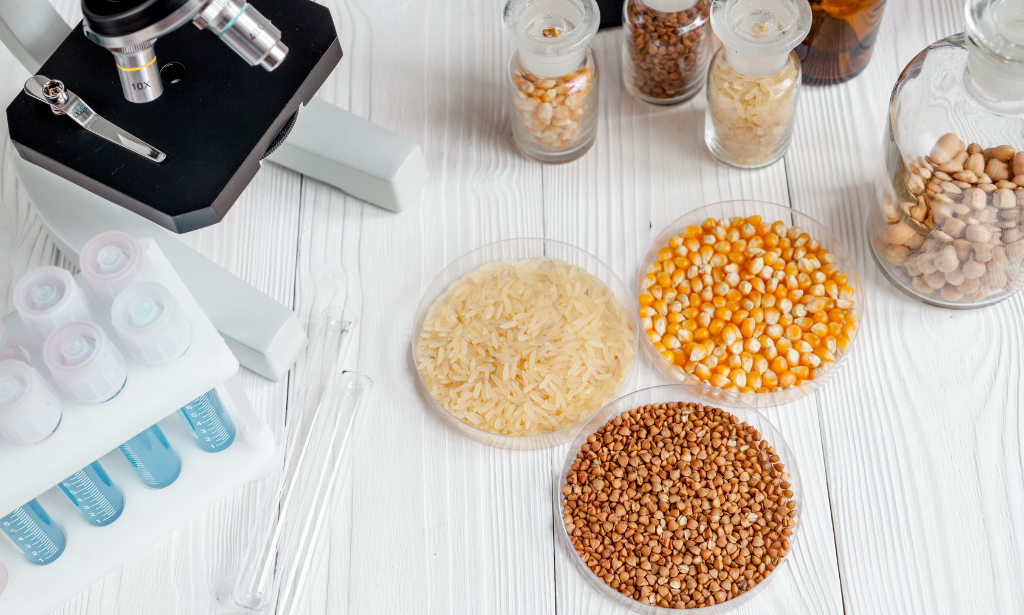
Take a fascinating tour through the invisible realm of food microbiology in this course that reveals the tiny mysteries that are concealed in every bite of food we eat. This extensive programme starts with an insightful introduction to the world of food microorganisms, giving a basis of knowledge that paves the way for deeper investigations. As you advance, explore the wide range of microorganisms that are common in different foods and learn about their distinct traits and functions. The focus of the course takes an interesting turn when it discusses the advantages of using microorganisms in fermentation and food preservation. These modules offer fascinating insights into conventional and novel food processing techniques while highlighting the delicate balance between utility and risk in our daily diets.
The journey through this course doesn’t stop at the beneficial aspects. It further navigates the more challenging terrains of food spoilage and foodborne diseases, areas crucial for ensuring food safety and public health. These modules provide a comprehensive understanding of the factors leading to food spoilage and the microorganisms responsible for foodborne illnesses. The curriculum culminates with an in-depth exploration of the role of food microbiologists, elucidating their critical contribution to the food industry and public health. This educational voyage through “Food Microbiology” promises a blend of scientific knowledge, real-world applications, and an understanding of the intricate relationship between microorganisms and food.
So, don’t delay any further and enrol now!
Course Curriculum
| Module 01: Introduction to Food Microbiology | |||
| Introduction to food microbiology | 00:17:00 | ||
| Module 02: Predominant Microorganisms in Food | |||
| Predominant Microorganisms in food | 00:18:00 | ||
| Module 03: Food Preservation by Microorganisms | |||
| Food Preservation by Microorganisms | 00:19:00 | ||
| Module 04: Food Fermentation by Microorganisms | |||
| Food Fermentation by Microorganisms | 00:24:00 | ||
| Module 05: Food Spoilage | |||
| Food Spoilage | 00:19:00 | ||
| Module 06: Foodborne Diseases by Microorganisms | |||
| Foodborne Diseases by Microorganisms | 00:22:00 | ||
| Module 07: Food Microbiologists | |||
| Food Microbiologists | 00:17:00 | ||
Related Courses
Internal Audit Skills Level 3, 4 and 5
Original price was: £1,699.00.£65.00Current price is: £65.00.
Understanding Online Education
Original price was: £199.00.£10.00Current price is: £10.00.
TEFL (TESOL) - Reading, Writing, Speaking & Listening
Original price was: £325.00.£19.99Current price is: £19.99.
Quantity Surveyor Diploma
Original price was: £325.00.£19.99Current price is: £19.99.
Canine Communication
Original price was: £325.00.£19.99Current price is: £19.99.

- Original price was: £325.00.£19.99Current price is: £19.99.
- 1 year
- Intermediate
- Course Certificate
- Number of Units7
- Number of Quizzes0
- 2 hours, 16 minutes